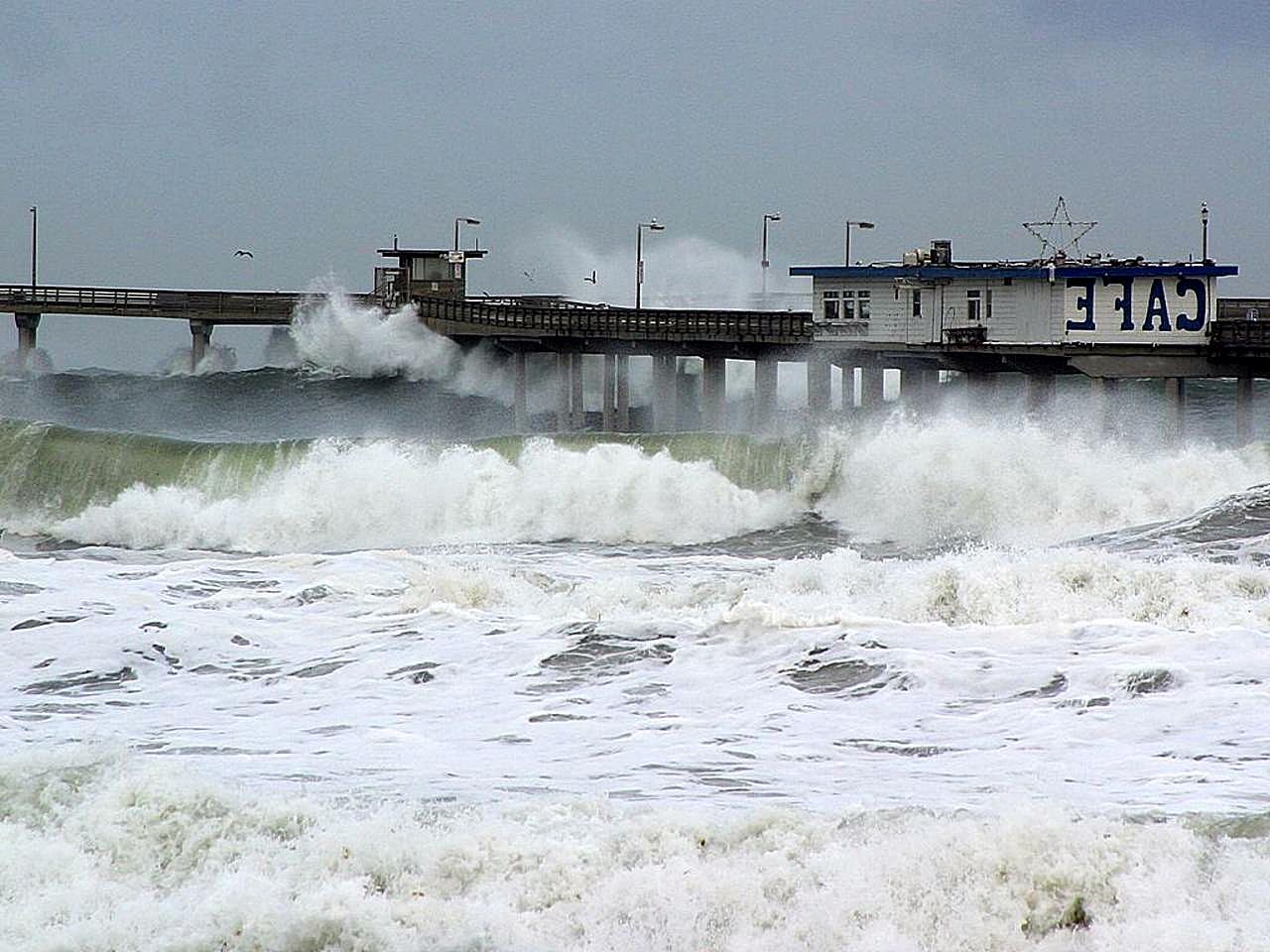
Santa Monica faces a winter of heightened coastal flooding and beach erosion after federal forecasters raised the odds of a record-breaking El Niño to 75%.
The National Oceanic and Atmospheric Administration (NOAA) said in its monthly outlook published Sept. 10 that the El Niño building in the tropical Pacific has a 75% chance of becoming the strongest on record between October and December. The agency put the overall chance of a "very strong" event through fall and winter at greater than 90%.
Sea surface temperatures in the eastern equatorial Pacific already exceed 3.0°C above average, according to the NOAA report. The previous monthly outlook had pegged the historic-strength probability at 69%.
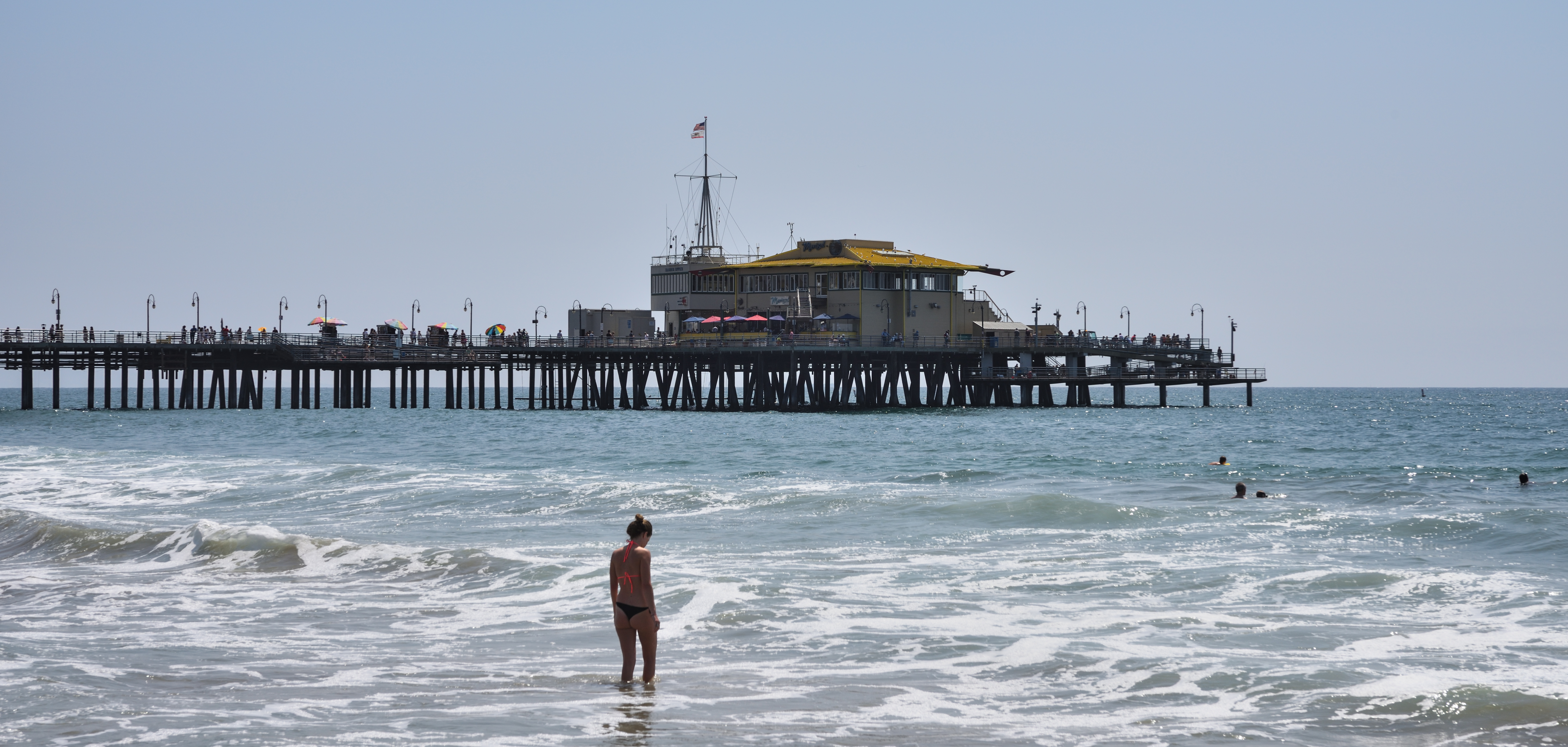
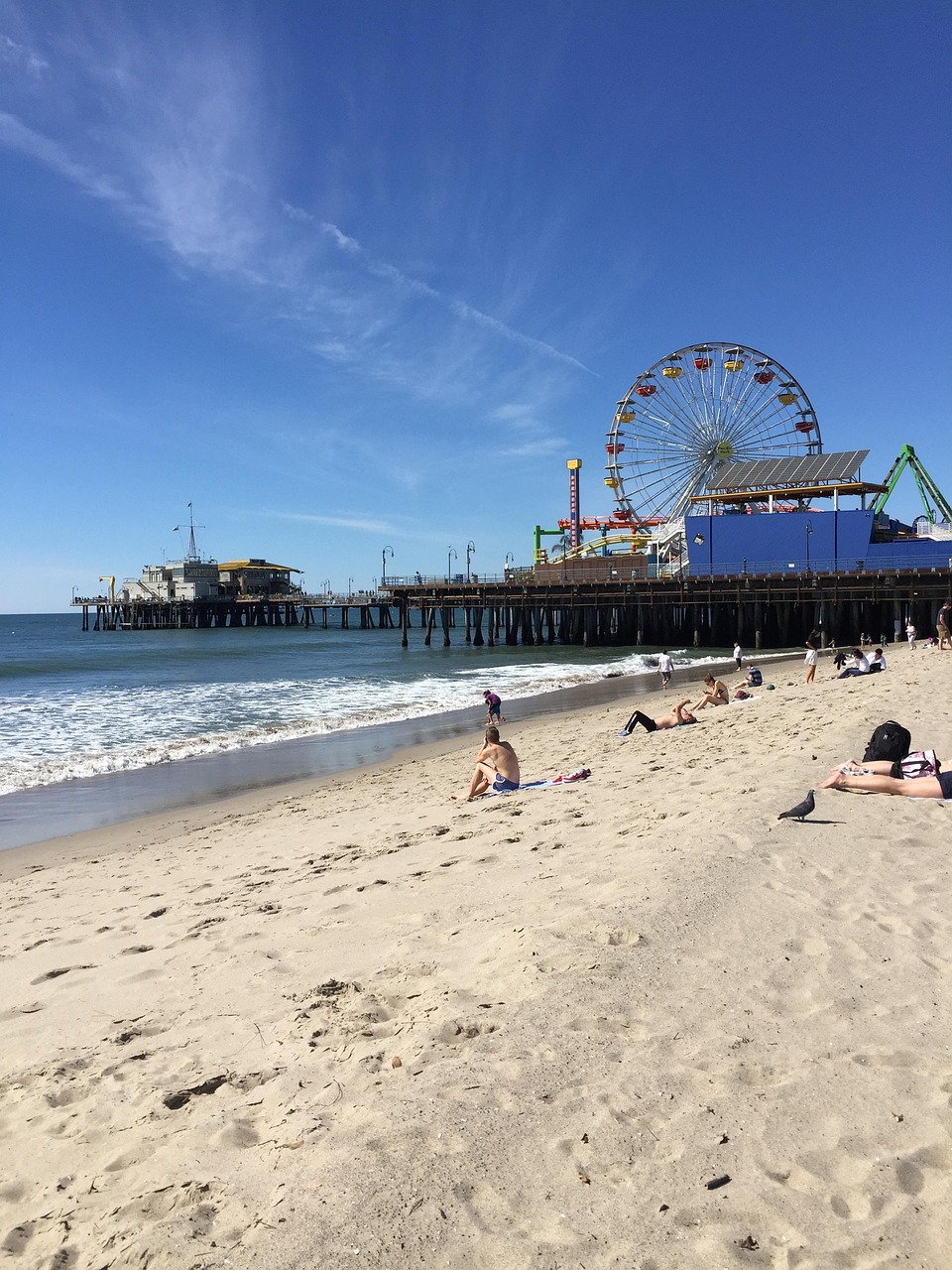
Residents got a preview of what that means over Labor Day weekend. Storm surf and runoff from Hurricane Marie stripped enough sand south of the Santa Monica Pier to force cancellation of the inaugural Ocean Way Festival, which had been set for Sept. 26-27. The surf pushed the safe shoreline setback 96 feet inland, and runoff from the Pico-Kenter Storm Drain outfall carved through the southern end of the site, shifting the usable boundary roughly 500 feet north, according to the Santa Monica Daily Press.
The pier was not damaged.
UCLA climate scientist Daniel Swain said during a Sept. 11 virtual press conference that the Marie damage was amplified by El Niño. "It wasn't just the waves themselves; it was the fact that these waves are now operating on top of ocean levels that are six to 12 inches higher than usual," Swain said, as reported by KTLA.
Swain said at an Aug. 27 briefing that coastal flooding tied to elevated sea levels, king tides and storm waves this winter is "almost guaranteed," according to the Santa Monica Daily Press. Peak impacts are likely from December through March.
The Los Angeles Times reported in August that tides were already coming in about 5 inches higher than the official forecast in Santa Monica. Water temperatures at the Santa Monica Pier hit 76.8°F on July 25, the highest July reading ever recorded there, according to weather tracker Colin McCarthy of US Stormwatch.
The 1982-83 El Niño winter wrecked the Santa Monica Pier, according to the Los Angeles Times. The 1997-98 event brought the warmest and wettest January and February on record in Los Angeles, claiming 17 lives and causing more than $500 million in damage, according to KTLA.
Santa Monica Council Member Dan Hall, who introduced the motion to explore a beachfront festival, said in a Sept. 11 statement that "the rapid erosion of the beach near the Sandbox event space over the past few days is deeply concerning." Hall added that the city is working to keep the Pico storm drain and shoreline repaired ahead of upcoming weather.
Michelle L'Heureux, a physical scientist at NOAA's Climate Prediction Center, cautioned that a stronger El Niño does not guarantee worse outcomes everywhere. L'Heureux told SFGATE, as reported by KTLA, that repeated weather events over the course of a season "can be made more likely by El Niño," but the pattern cannot predict intensity at any single location.
LA County Supervisor Lindsey P. Horvath will host a virtual town hall at 6 p.m. Monday, Sept. 28, where residents can ask county experts about El Niño risks and preparations. NOAA's next El Niño update is scheduled for Oct. 8.