A federal bill aimed at mass-surveillance cameras could sweep up the kind of AI-powered traffic enforcement Santa Monica launched on May 1.
Rep. Thomas Massie, a Kentucky Republican, announced on X on Saturday, July 25, that he plans to introduce legislation to "withhold federal money from municipalities and police departments that deploy Flock (and other style) cameras to surveil law-abiding citizens." No bill text has been released.
The phrase "and other style" is what worries traffic safety advocates. As Santa Monica Next reported Thursday, July 30, the bill's broad language could be read to cover speed cameras, red-light cameras, and the automated enforcement systems Santa Monica uses to ticket drivers who block bike lanes and bus stops.
Santa Monica's camera programs
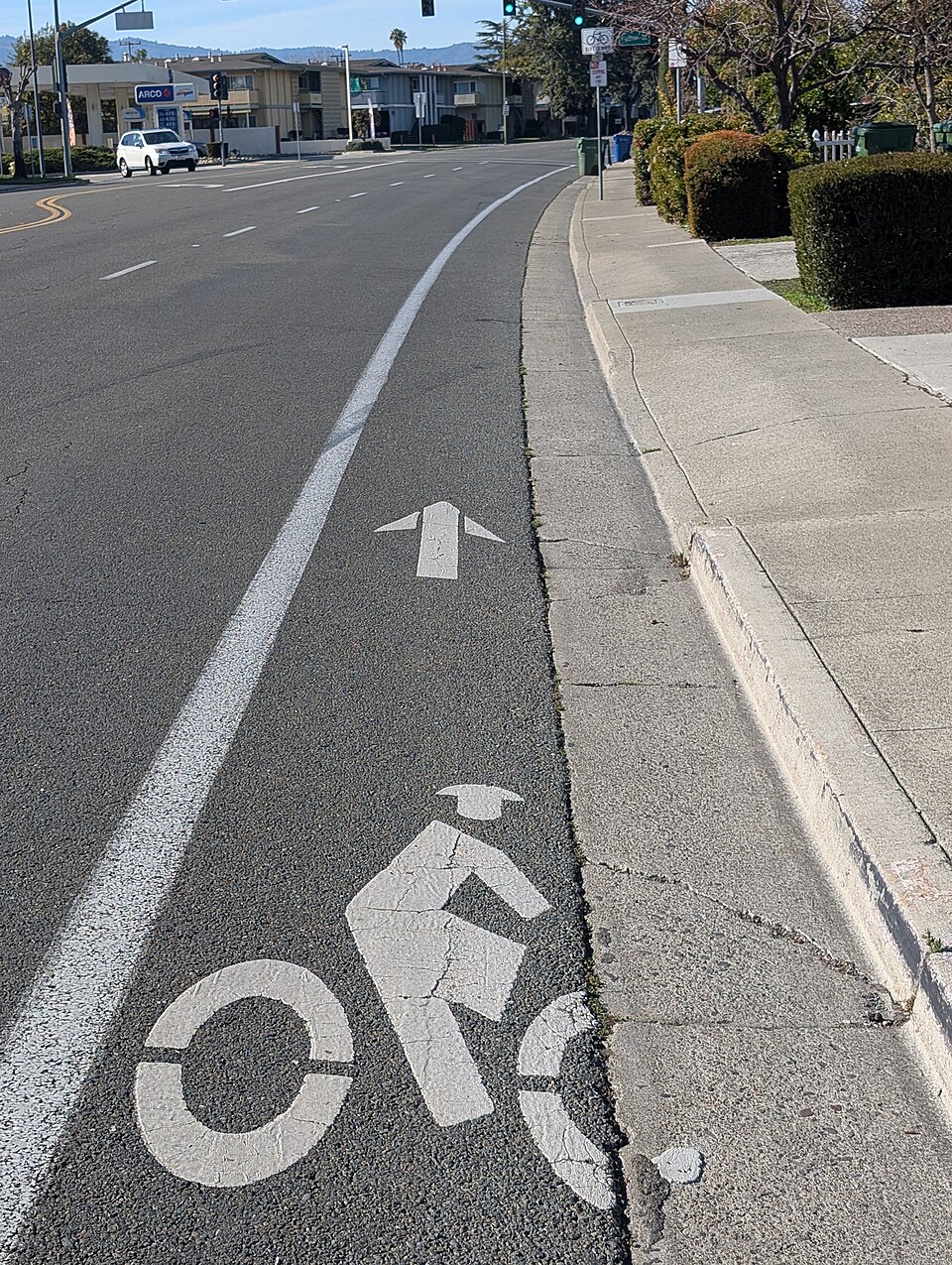
Santa Monica became the first California city to deploy AI-powered bike lane enforcement when it launched its program May 1. After a two-month warning period, the city began issuing $93 citations on July 1 to drivers caught blocking bike lanes. The cameras, built by Hayden AI and mounted on city parking enforcement vehicles, only capture images when they detect a violation.
The City Council approved a $944,000 contract modification with Hayden AI in January, bringing the six-year agreement to nearly $2.5 million.
The city also runs an Automated Bus Lane and Bus Stop Enforcement program on Big Blue Bus vehicles, issuing $293 citations since September 2025. Department of Transportation Director Anuj Gupta said in August 2025, when that program launched, that the volume of violations detected "underscores the urgent need for programs like ABLE that help enforce existing laws designed to keep our communities moving safely and reliably."
During a two-week pilot in 2024, the bike lane cameras recorded 1,679 violations, averaging about five per vehicle-hour. Santa Monica reported 52 fatal and severe injury crashes in 2025, down from a record 62 the year before. Three people died, all pedestrians.
Why the distinction matters
Flock Safety operates more than 90,000 surveillance cameras nationwide, working with over 5,000 law enforcement agencies. Its Automated License Plate Readers scan and log every vehicle that passes, feeding images into a shared law enforcement database. Police have been caught at least 28 times using Flock system access to stalk romantic interests, according to the Institute for Justice. The LAPD suspended its Flock contract on July 11, citing serious concerns over civil liberties and data handling.
Santa Monica's enforcement cameras work differently. They are mounted on moving city vehicles, activate only when a violation is detected, and do not feed into a shared police database. Traditional speed and red-light cameras operate similarly, photographing only drivers who trigger a violation.
"I do not think that the federal government should be subsidizing the safety of cities who've decided to go beyond the pale and basically turn their communities into a version of 1984," Massie told the Cincinnati Enquirer on Monday, July 27.
But speed cameras reduced speeding by 72 percent at key San Francisco locations after installation in 2025, according to Streetsblog California, and collisions dropped 30 percent in New York City after cameras were introduced, according to the NYC Department of Transportation.
What happens next
Massie's bill remains in its earliest stages. He is also a lame-duck congressman who lost his Republican primary in May to Trump-backed challenger Ed Gallrein and will leave office in January 2027.
A separate bill, H.R. 5394, introduced by Rep. Pat Harrigan of North Carolina in September 2025, would ban speed cameras outright by withholding federal highway funds. The House voted 232-199 to adopt a Harrigan amendment banning automated speed cameras on military bases.
No Santa Monica city official has publicly commented on either bill. Residents with questions about the city's automated enforcement programs can contact the Santa Monica Department of Transportation at (310) 458-8291.