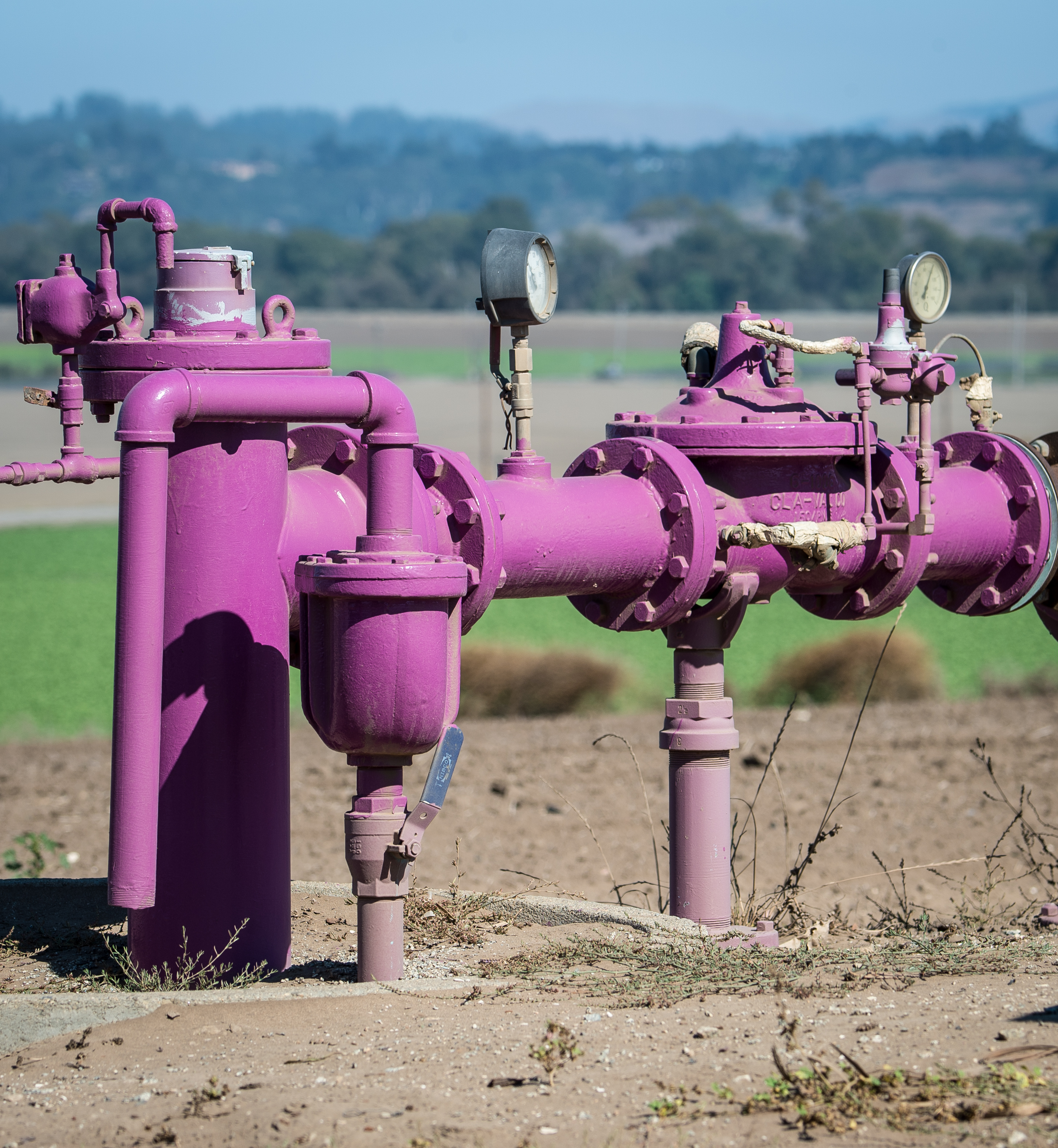
Santa Monica's City Council unanimously voted to drop the city's long-held goal of supplying 99% of its own water, endorsing a strategy that could eventually send highly treated wastewater into the drinking supply.
The vote at the council's Sept. 22 meeting updates the Sustainable Water Master Plan and puts Santa Monica on a path toward direct potable reuse, a process in which treated wastewater is purified further and blended into the public drinking supply. Recycled water could account for up to 10% of the city's tap water under the plan, the Westside Current reported.
No recycled water will flow from taps right away. The city still needs permits from the State Water Resources Control Board (SWRCB) and further council approvals before any project could operate.
The shift comes after officials acknowledged the 99% target was out of reach. Water Resources Manager Sunny Wang told the council that local sources supply an estimated 80% to 85% of demand, a figure that will not be firm until two replacement wells at the Charnock Well Field are running, the Santa Monica Daily Press reported.
"We didn't meet that 99% goal. That was a pretty challenging goal to meet," Wang said, according to the Daily Press.
Wang blamed the shortfall partly on the COVID-19 pandemic, when conservation staff was cut in half and recycled-water projects were deferred. A 2022 groundwater sustainability plan found the local basin can reliably produce about 9,000 to 10,000 acre-feet per year, far below the roughly 15,000 acre-feet once assumed.
Without new conservation measures, staff projected a supply gap as large as 4,500 acre-feet by 2045 if new housing drives up demand.
The recycling plan builds on the Sustainable Water Infrastructure Project (SWIP), a plant completed in December 2022 beneath the Civic Center parking lot that purifies wastewater and stormwater. Under the updated strategy, SWIP water would pass through two additional treatment plants before being blended into the drinking supply at up to 10%.
Mayor Caroline Torosis moved the proposal, saying she supported the tiered approach, according to the Daily Press. Council member Ellis Raskin seconded the motion.
Metropolitan Water District of Southern California (MWD) board member Mark Gold, who represents Santa Monica on the district's board, urged the city to press ahead. Imported water is growing less reliable as climate change strains the Colorado River system, Gold told the council, according to the Daily Press. He said flows into Lake Powell from 2020 to 2026 were down to 10.2 million acre-feet per year, while water rights under the 1922 Colorado River Compact total more than 16 million.
Wang said local groundwater costs the city about $900 per acre-foot and imported water about $1,500, according to the Daily Press. Gold put desalination at roughly $3,500 to $6,500. Council member Natalya Zernitskaya said she has concerns about desalination, and staff placed it on a wait-and-see list along with treating contaminated groundwater near Santa Monica Airport.
The city plans to lean on conservation measures projected to save about 200 acre-feet per year over 20 years. Longer term, Santa Monica will pursue partnerships with MWD's Pure Water Southern California program and Los Angeles' Pure Water Los Angeles program. Neither is expected to be running before 2035.
Staff will return to the council with design and construction contracts. Regional agreements, Wang said, are further off.