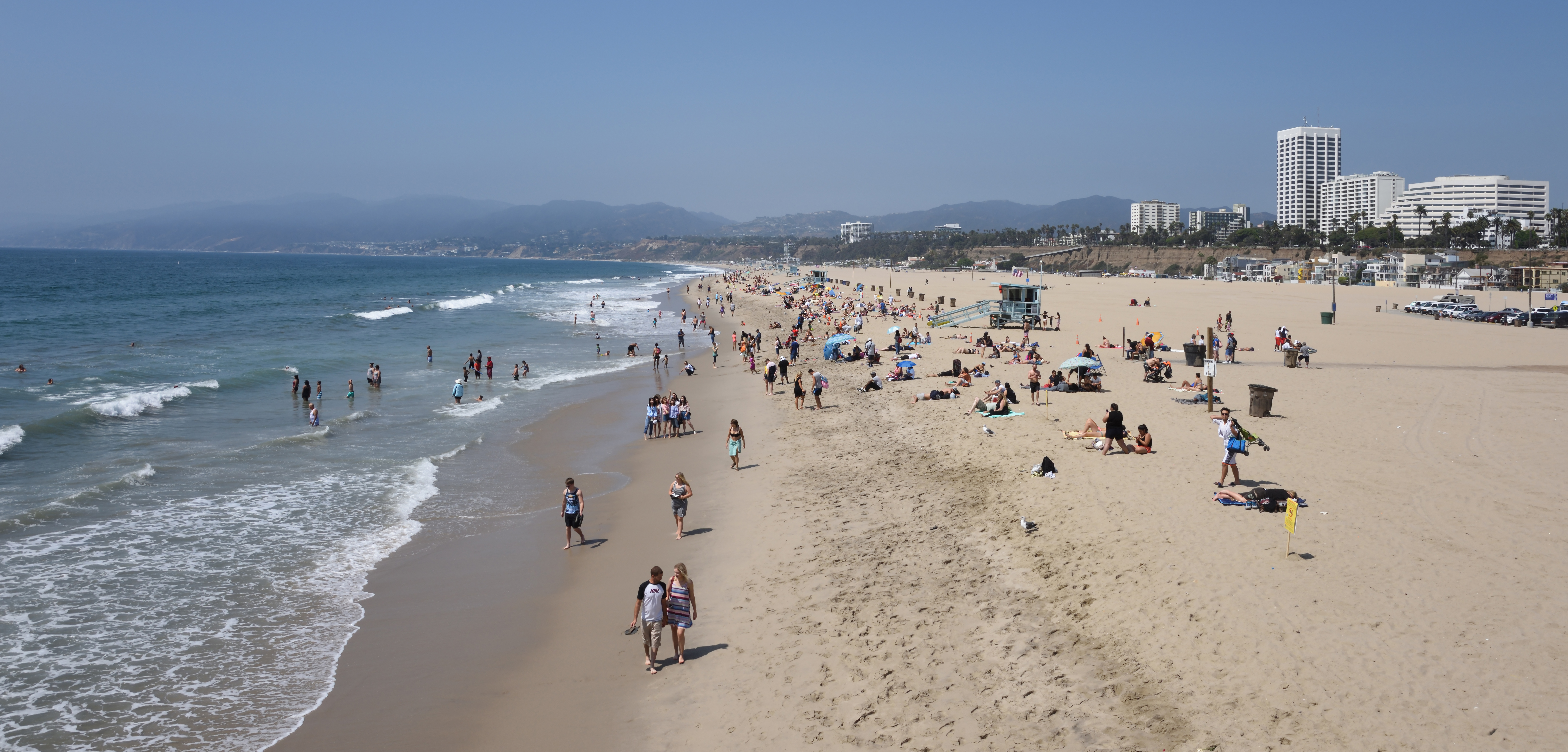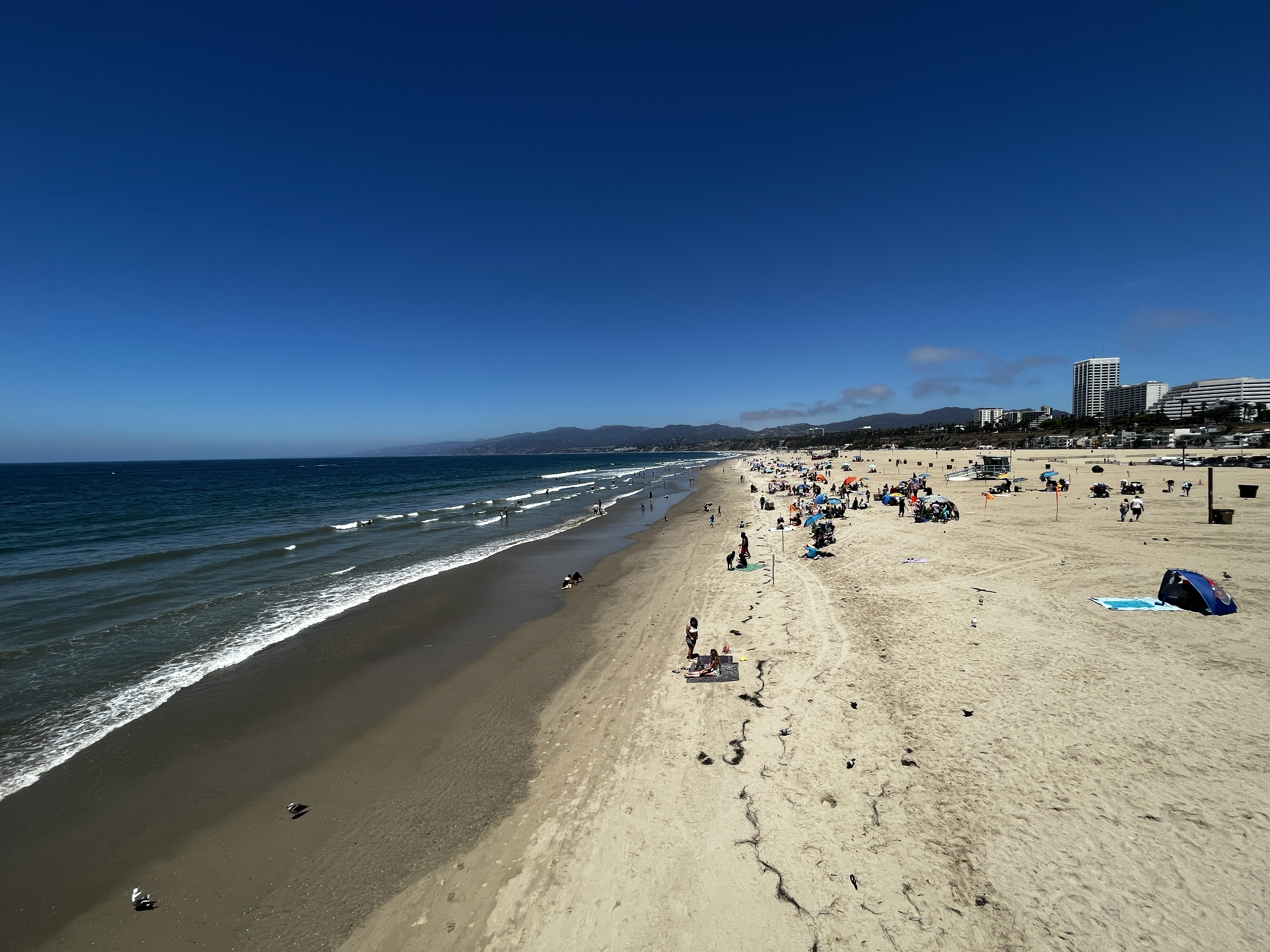
Santa Monica's storm-battered coastline will get state-level backup after Gov. Gavin Newsom declared a statewide emergency Monday, Sept. 21, ahead of what forecasters say could be the strongest El Niño on record.
The declaration, first reported by KTLA, mobilizes the California National Guard for flood response, stages sandbags and pumps across the state, and fast-tracks coastal permits. For Santa Monica, where crews are already rebuilding storm-damaged beach south of the Pier, the order adds state-level urgency to local preparations.
"We are preparing for this El Niño early because every Californian deserves to be safe in their home, connected to their community, and protected when severe weather comes," Newsom said.
The signed proclamation cites a National Oceanic and Atmospheric Administration (NOAA) diagnostic report from Aug. 13 that found a greater than 90% chance of a very strong El Niño during fall and winter 2026–2027. The Climate Prediction Center put the odds of a historic event at 69%. That would exceed every El Niño since 1950.
California has already felt early effects. The proclamation states the state has experienced unusual precipitation and significant coastal flooding. It identifies elevated coastal water levels, high tides, large waves and coastal storms as threats that increase risks of beach erosion, bluff erosion, transportation disruption and infrastructure damage.
What the order does
The proclamation directs several state agencies to act:
- The California Coastal Commission must expedite permit reviews for coastal communities preparing for El Niño. Emergency permit requests must be acted on within 24 hours of receipt.
- The Department of Water Resources will stage flood-fighting supplies including sandbags, riprap, plastic sheeting and pumps.
- The California Department of Transportation (Caltrans) must stage traffic-control, road-closure and snow-removal equipment along at-risk highways and submit a prioritized list of vulnerable projects to the California Governor's Office of Emergency Services (Cal OES) within 30 days.
- The California National Guard is prepared to support flood response, search-and-rescue, high-water vehicle operations and debris removal.
The Secretary for Environmental Protection and the Secretary of the Natural Resources Agency must submit a joint recommendation to the governor's office by Oct. 16 on whether further emergency actions are needed.
The proclamation also flags that low-income communities, farmworker families, seniors, people experiencing homelessness and residents in flood-prone or post-fire areas face heightened risk. Areas burned by recent wildfires are especially vulnerable to flash flooding and debris flows.
Santa Monica already at work
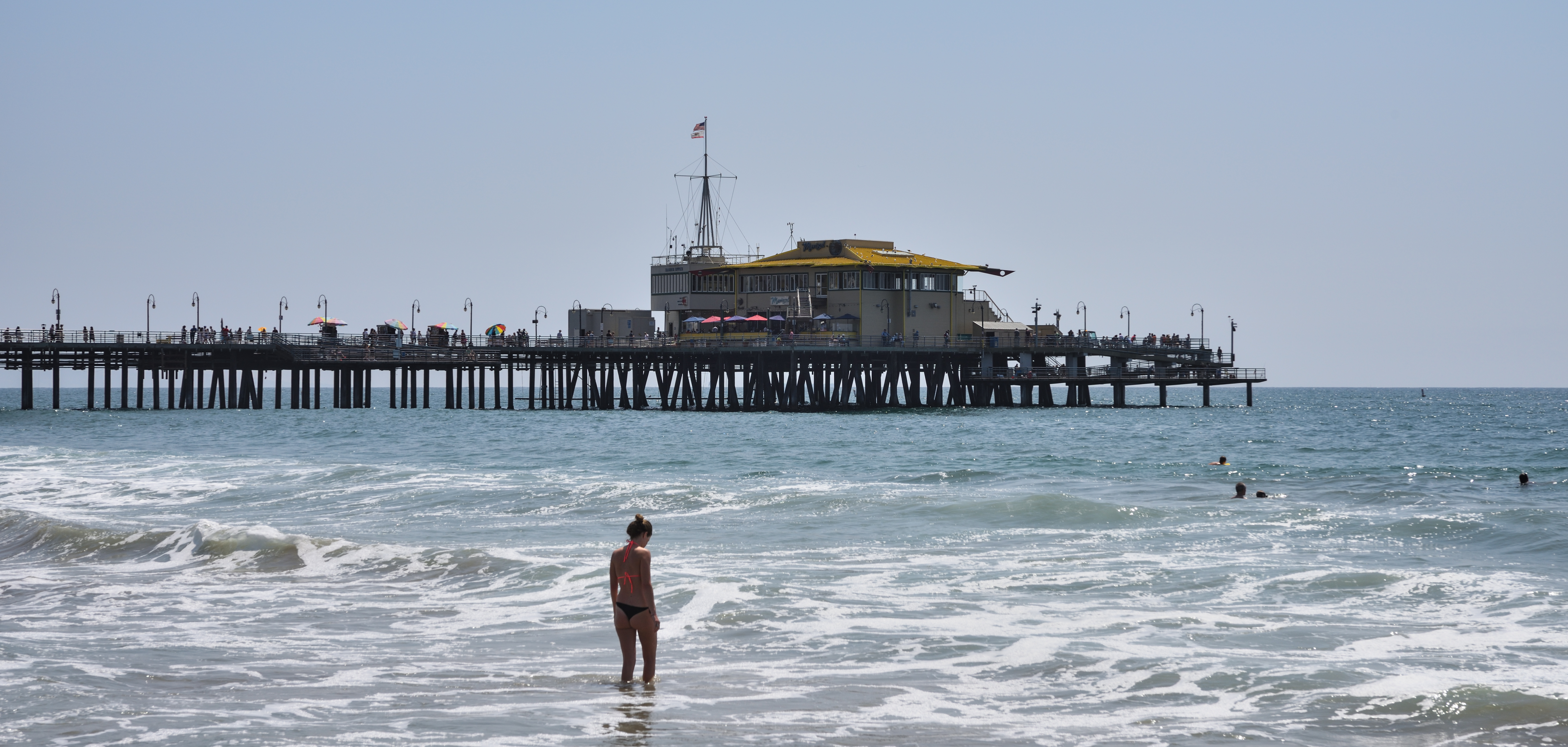
Santa Monica is not waiting for state resources to arrive. As the Santa Monica Daily Press reported, Public Works crews began emergency beach repairs Friday, Sept. 18, south of the Pier, where storm surf and runoff from Hurricane Marie eroded the shoreline over Labor Day weekend. Workers have been moving sand to the Pico-Kenter Storm Drain outfall area with a front loader and dump truck, regrading the site and building a protective berm along the waterline.
"It is massively disappointing that coastal erosion caused by Hurricane Marie impacted our beach to such an extent that we could not safely host the Ocean Way Festival," City Manager Oliver Chi said Friday, Sept. 18.
Crews are also clearing and maintaining the beach's five storm drains. The city is coordinating with Los Angeles County and private contractors to bring in heavier equipment and evaluating whether it needs to import additional sand.
The timeline is tight. A coastally trapped Kelvin wave linked to the developing El Niño is expected to reach the Los Angeles area in early October and could raise coastal sea levels by 6 to 12 inches for several months. King tides are forecast for Nov. 24–26, Dec. 23–25 and Jan. 21–22, 2027.
Climate scientist Dr. Daniel Swain warned in a Sept. 11 KTLA report that ocean levels were already 6 to 12 inches above normal. "We've never seen water temperatures this warm in September in the key El Niño regions, so it is already, by at least that definition, record breaking," Swain said.
Residents can prepare by signing up for local emergency alerts and checking whether their property is in a flood zone.