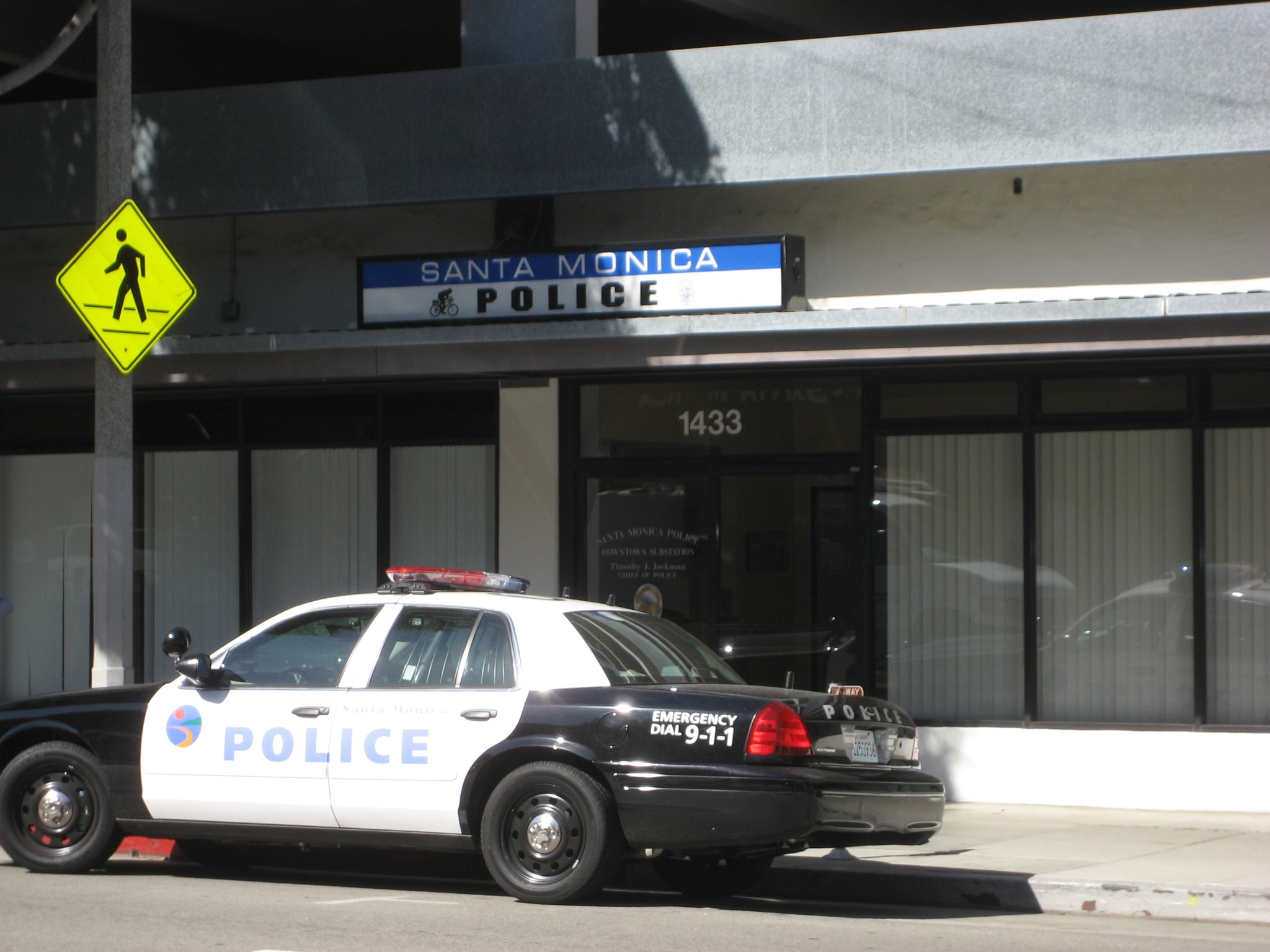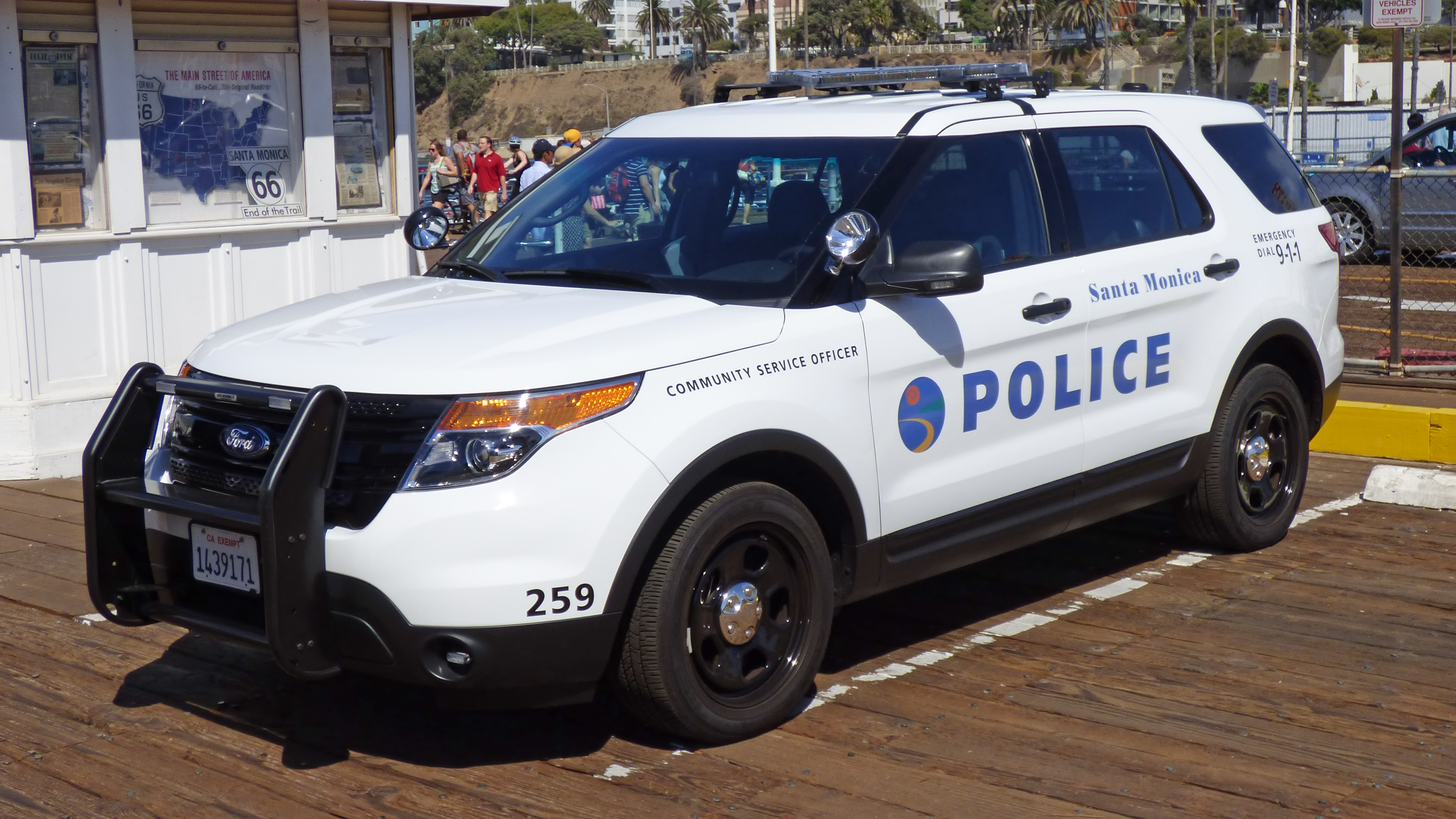
The Santa Monica Police Department (SMPD) recently acquired electric shock gloves for testing. A state bill could take them off the table.
California lawmakers sent AB 2760 to Gov. Gavin Newsom, who has until Sept. 30 to sign or veto the measure. If he takes no action, it becomes law without his signature. The bill would ban law enforcement agencies statewide from using wearable electroshock devices until Jan. 1, 2030.
SMPD is one of only a handful of California departments that obtained the gloves for testing, according to the Precinct Reporter Group. The El Monte Police Department also acquired devices. Neither the Los Angeles Police Department nor the Los Angeles County Sheriff's Department has reported using them.
The device at the center of the debate is the G.L.O.V.E., short for Generated Low Output Voltage Emitter. Manufactured by Compliant Technologies of Lexington, Kentucky, the gloves emit 324 to 380 volts of electricity on contact. A Taser, by comparison, fires prongs from a distance at 1,200 to 1,500 volts, the Guardian reported. An estimated 50 police departments across 20 states use the technology, according to an NPR analysis cited in that report.
Assemblymember LaShae Sharp-Collins, a San Diego Democrat who authored the bill, said in an Aug. 31 floor speech that "public safety technology must be proven safe and accountable before it is deployed, not after someone is killed or seriously injured," Politico reported.
The bill passed the state Senate 29-9 on Aug. 31. The Assembly concurred in Senate amendments the same day, 55-16.
Sharp-Collins introduced the measure through a "gut and amend" procedure on Aug. 21, replacing an unrelated bill's language with the electroshock device restrictions. The Peace Officers Research Association of California (PORAC) said it negotiated amendments that exempted traditional handheld devices like Tasers, converted an outright ban into a three-year moratorium and added a requirement for a California Department of Justice (DOJ) study on the devices' safety and community effects. That study is due to the Legislature by Jan. 1, 2029.
AB 2760 would also bar agencies from using state funds to purchase wearable electroshock devices and require them to update use-of-force policies.
The bill gained urgency after U.S. Immigration and Customs Enforcement awarded a $16.7 million contract for 6,000 pairs of the gloves, according to the Precinct Reporter Group. The Department of Homeland Security had announced plans to spend up to $20 million to equip ICE agents with the devices, the Los Angeles Times reported. AB 2760 would also cover federal agencies operating in California, though that provision could face a legal challenge under the Constitution's supremacy clause.
SMPD, led by Chief Darrick Jacob, has not publicly commented on its shock glove acquisition or its position on AB 2760. The number of devices the department obtained and whether any field testing has taken place remain unclear.
If Newsom signs the bill, or allows it to become law without his signature, the restrictions would take effect under California's normal effective-date rules and remain in place until Jan. 1, 2030.