Nearly six weeks of soccer, more than 100,000 fans, and close to $1 million in beach parking revenue alone. That's the early scorecard for Santa Monica's World Cup run, which wrapped Sunday, July 19, with the COAST 2026 open streets festival stretching more than a mile through downtown.
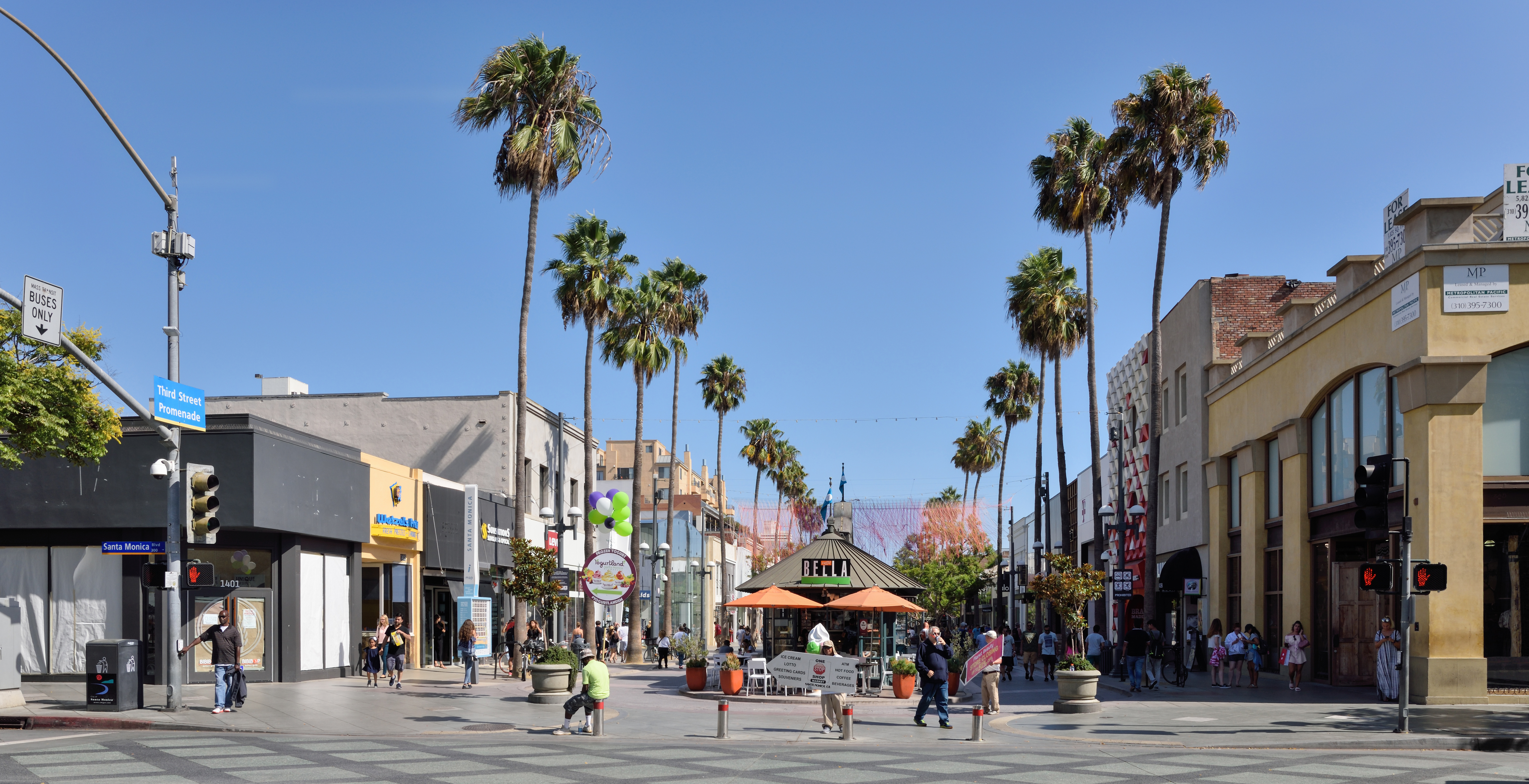
The numbers paint a clear picture. Hotel revenue climbed 38% during the tournament's opening stretch, according to the Los Angeles Business Journal. The exact comparison window was not specified in the report. Foot traffic on the Third Street Promenade jumped 40% during the first 13 days of city-hosted events, June 11 through June 23, according to the Santa Monica Lookout. Beach parking brought in more than $969,000 over that same 13-day period, up 44% over the same stretch in 2025, City Manager Oliver Chi wrote in his weekly newsletter.
The Promenade gains carry extra weight. The Lookout has described the walk street as "struggling" in recent years, making a 40% foot traffic surge the corridor's strongest stretch in recent memory.
More than 100,000 people attended over 20 free and ticketed events between June 11 and June 23, city officials said.
"The World Cup is showing that Santa Monica knows how to bring people together," Mayor Caroline Torosis said around July 1, as the city tallied its first two weeks of programming.
A rate event, not an occupancy event
Nationally, the picture was more complicated. Most city-reported Santa Monica figures cover June 11 through June 23; national hotel data extends through July 4.
U.S. host city hotels beat CoStar's pre-tournament forecast of 13% revenue-per-available-room growth, posting gains above 20% between June 11 and June 27 and 23% during the knockout stage week of June 28 through July 4, according to Travel Weekly.
But the windfall came from higher room rates, not more heads in beds. Jan Freitag, CoStar's national director of hospitality analytics, told Travel Weekly on Sunday, July 20, that the tournament was "a room rate event, much more so than an occupancy event. People paying hundreds or maybe thousands of dollars for a World Cup match were also willing to spend a little bit more on accommodations."
Overseas international arrivals actually fell 1.8% year-over-year in June, according to Skift, citing high ticket prices, visa delays, and broader economic pressures.
What comes next
The Business Journal reported that city leaders hope the tournament's visibility will attract new retail tenants to the Promenade, though no specific incentive program or council action has been announced.
The next major global event on the region's calendar: the 2028 Los Angeles Olympics. Speaking before the tournament began, Community Collective founder Michelle Edgar called both events "catalysts" at a June 9 speaker series in Venice. Six weeks later, no concrete legacy plan has materialized.
For the Promenade's landlords and shop owners, the open question is whether a six-week spike can reverse years of vacancies. The data so far says fans showed up and spent money. Whether they come back without a match to watch is the $969,000 question.