Santa Monica Public Library will host a conversation about the history, culture and ecology of Kuruvungna Sacred Springs on Thursday, Nov. 19.
“Voices of Indigenous Waters,” part of the library’s Native American Heritage Month programming, runs from 6 to 7:30 p.m. in the Main Library’s Multipurpose Room, 601 Santa Monica Blvd.
The discussion will examine Gabrielino/Tongva relationships with the springs, the Los Angeles Aqueduct’s effects on waterways, Indigenous water planning and ecological stewardship.
The springs sit at the heart of Santa Monica's origin story. According to the Santa Monica Conservancy, the Tongva used the springs as a source of fresh water since at least the 5th century B.C. The site once produced up to 25,000 gallons daily and later supplied water to a young Santa Monica.
A local legend connects the springs to Santa Monica’s name, comparing their water to Saint Monica’s tears for her son Augustine. The city’s 2024 historical report distinguishes that story from Crespí’s diary, which records a different name for the site.
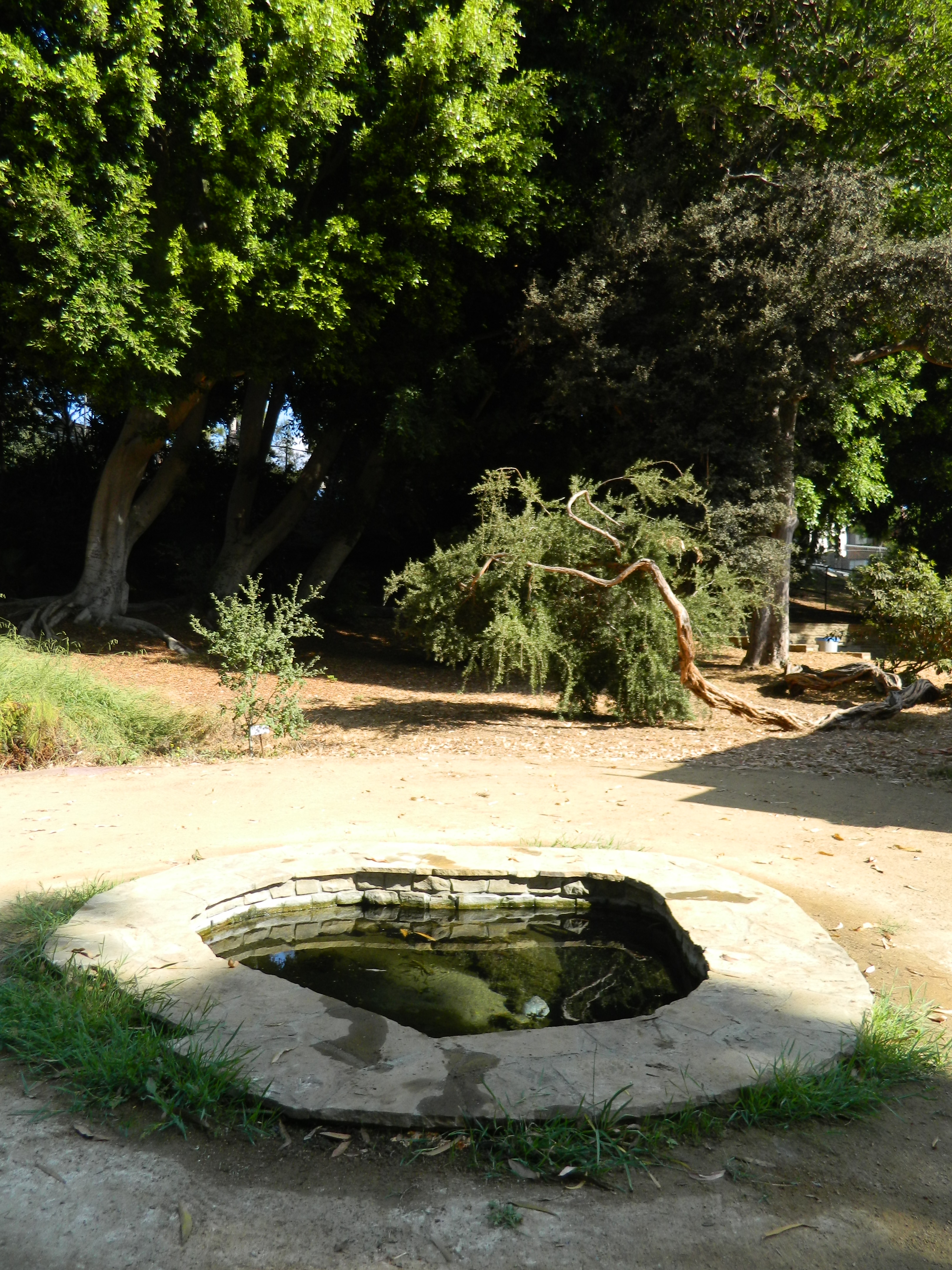
Kuruvungna, meaning "a place where we are in the sun," is a California Historical Landmark on the grounds of University High School in West Los Angeles. The Gabrielino-Tongva Springs Foundation stewards the two-acre site, which features ponds, gardens and a cultural center dedicated to Tongva life and history.
Bob Ramirez, a Gabrielino and Cahuilla descendant, serves as president of the foundation and is a Santa Monica Arts Commissioner. Starting in 2021, the foundation oversaw a restoration of the springs under his leadership. Volunteers and local businesses replaced dead and invasive plants with hundreds of native species, cleaned ponds and installed a solar-powered irrigation system using the spring water.
Daniel Ramirez, a Gabrielino descendant, chairs the foundation's Land and Waters Committee and serves as lead land steward. He brings a background in architecture and landscape design to his stewardship work at the springs.
The Kuruvungna Village Springs site is open to visitors on the first Saturday of each month from 10 a.m. to 3 p.m.