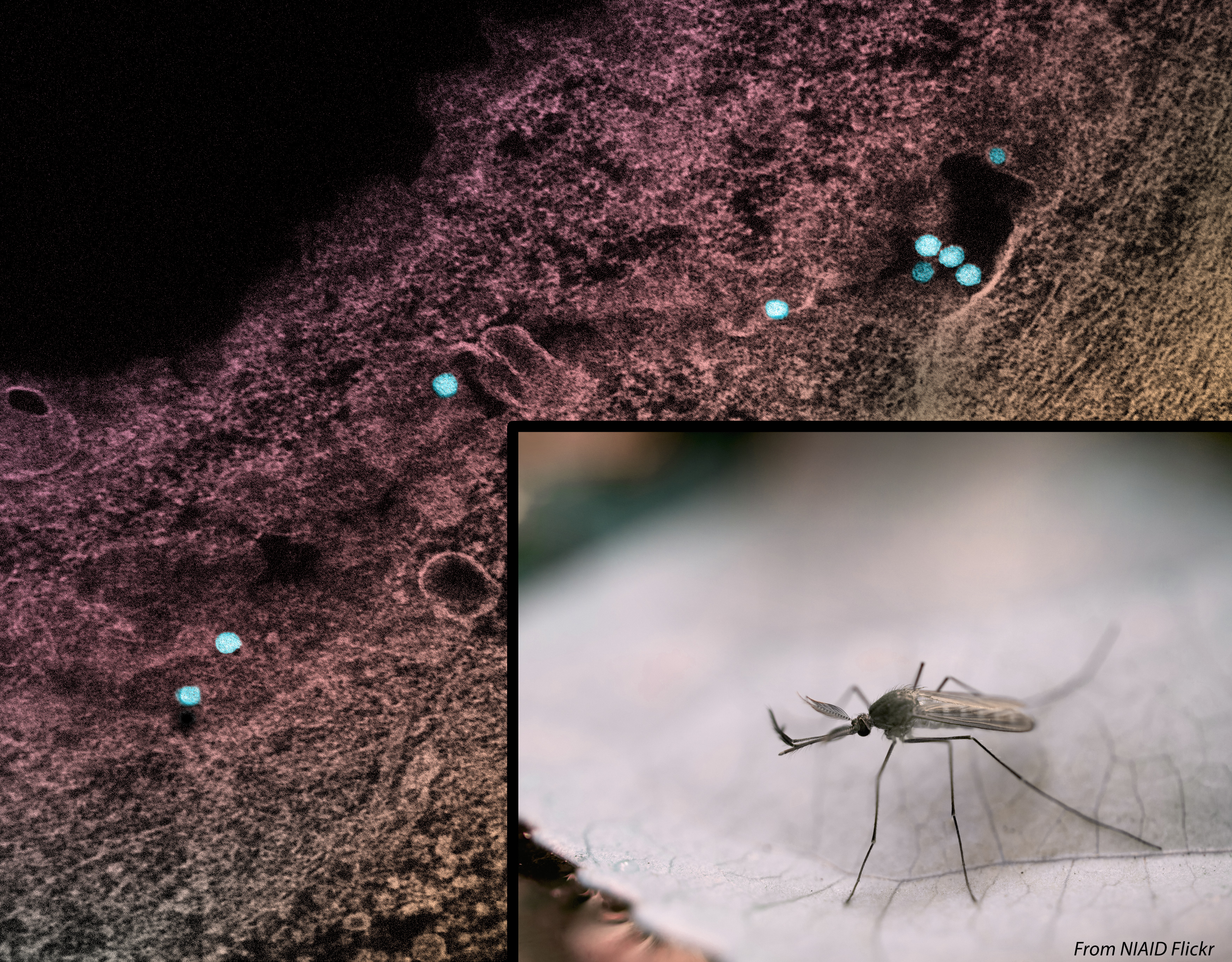
Los Angeles County has confirmed more than 100 West Nile virus infections and five deaths this year, with virus-positive mosquito samples nearly four times last year's level.
The Greater Los Angeles County Vector Control District (GLACVCD) has detected 384 positive mosquito samples so far in 2026, compared with 104 at the same point in 2025, Spectrum News reported. Dead birds testing positive for the virus jumped from two last year to 78.
Cases are spread across the county. East LA accounts for 27% of confirmed infections, the South Bay 25% and the San Fernando Valley 19%, according to KTLA. County-level data does not break out Santa Monica-specific numbers.
Nine in ten cases this year have progressed to neuroinvasive disease, including meningitis, encephalitis or acute flaccid myelitis, the LA County Department of Public Health said.
The severity is unusual. LA County averages 41 West Nile virus cases per year over the past five years. The last time the county recorded at least 100 cases was 2017, when 268 infections were reported over the entire mosquito season.
Steve Vetrone, assistant general manager of Vector Management Services at GLACVCD, attributed the surge to weather. "An extremely mild winter where rainfall was interspersed with unusually warm weather earlier in the year are among the environmental factors that have contributed to these conditions," Vetrone said Sept. 29.
Susanne Kluh, GLACVCD's general manager, said in an Aug. 21 Spectrum News report that virus detection started almost two months ahead of schedule after what the district called the warmest winter on record. In a Sept. 25 NBC Los Angeles report, Kluh said there "really hasn't been a break in mosquito breeding this year."
Despite the spike in virus detections, overall Culex mosquito populations remain below the five-year average, according to GLACVCD. The district said it increased inspections, control efforts and public outreach after spotting elevated activity early in the season.
Peak mosquito season in LA County runs from June through November, according to the LA County Department of Public Health. No human vaccine exists for West Nile virus.
People over 50 and those with underlying health conditions face greater risk of serious illness. About one in five infected people develop symptoms such as fever, headache and body aches. About one in 150 require hospitalization.
GLACVCD recommends residents use insect repellent containing at least 15% DEET, picaridin, IR3535 or oil of lemon eucalyptus. Wearing loose, long-sleeved clothing and removing standing water around homes can reduce exposure. Culex mosquitoes are most active from dusk to dawn.
Residents can report dead birds to the California Department of Public Health at 1-877-WNV-BIRD or online at westnile.ca.gov. Mosquito control information is available from GLACVCD at 562-944-9656.